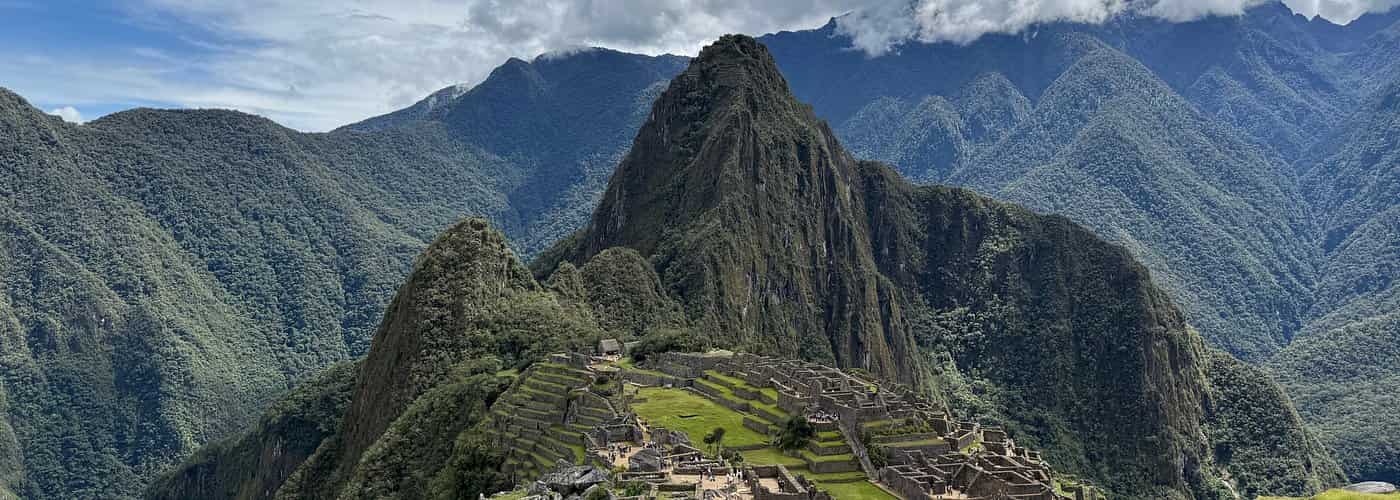

Sustainable tourism refers to travel practices that fully account for current and future economic, social, and environmental impacts, ensuring destinations remain viable for generations while benefiting local communities and ecosystems. In the fragile Andes—home to ancient Inca sites, diverse biodiversity, and indigenous Quechua cultures—this approach is essential to combat erosion, cultural dilution, and resource strain from rising visitor numbers. As Peru welcomes millions annually to places like Machu Picchu, understanding and adopting sustainable principles protects the region’s irreplaceable heritage.
This article defines sustainable tourism, explores its three pillars, and explains its critical role in the Andes, drawing on global standards and local initiatives.
Defining Sustainable Tourism: UNWTO Framework
The United Nations World Tourism Organization (UNWTO) outlines sustainable tourism as meeting visitors’ needs without compromising host communities’ economic, social, or environmental well-being. It balances resource use, pollution reduction, and cultural preservation across 11 goals, including optimizing local resources, supporting viable long-term jobs, and conserving biodiversity.
Key elements include:
- Environmental protection: Minimizing waste, emissions, and habitat disruption.
- Social equity: Empowering locals through fair wages and authentic interactions.
- Economic viability: Distributing profits to reduce poverty without overexploitation.
Unlike mass tourism, which floods sites like the Inca Trail, sustainable models cap visitors, fund conservation, and prioritize low-impact experiences.
The Three Pillars Explained
Sustainable tourism rests on interconnected foundations.
Environmental Pillar: Optimizes natural resources, combats pollution, and protects biodiversity. In practice, this means solar-powered lodges, zero-plastic policies, and trail cleanups—vital in the Andes where fragile páramos and glaciers face climate threats.
Social Pillar: Preserves cultural heritage and improves community quality of life. Operators train local guides, fund schools, and promote fair-trade crafts, ensuring Andean traditions like weaving thrive rather than become souvenirs.
Economic Pillar: Generates stable income equitably. Community tourism in places like Patacancha directs 70-80% of revenue to families, fostering self-reliance over dependency.
These pillars create regenerative cycles: Protected lands attract eco-travelers, funding further stewardship.
Why the Andes Demand Sustainable Practices
The Andes span Peru’s diverse ecosystems—from Cusco’s high plateaus to Colca Canyon’s depths—supporting 10 million people and endemic species like the Andean condor. Overtourism erodes Machu Picchu’s paths (closed briefly in 2023), pollutes rivers, and inflates prices, displacing locals.
Specific threats:
- Erosion and overcrowding: 2,500 daily Machu Picchu caps strain terraces; Inca Trail permits limit 500 trekkers.
- Climate vulnerability: Glaciers shrinking 30% since 1980 heighten water scarcity.
- Cultural erosion: Quechua languages fade as youth migrate for low-wage service jobs.
Sustainable tourism counters this: MINCETUR’s 2026 initiatives diversify to sites like Choquequirao, reducing Machu Picchu pressure by 20%.[ from prior]
Case Studies: Success in the Peruvian Andes
Peruvian operators exemplify impact.
Inkaterra’s Model: Climate-positive hotels offset emissions via Amazon reserves, employing locals and verifying with Rainforest Alliance. La Casona in Cusco diverts 90% waste, funding Andean reforestation.[ prior]
Community Homestays in Sacred Valley: Misminay villagers host weavers’ workshops, generating $50/night per family while teaching Pachamama rituals. This preserves 2,000-year traditions.
Colca Canyon Initiatives: Yanque lodges use solar energy and vicuña conservation tours, boosting rural incomes 40%.
Apus Peru’s Porter Welfare: Fair wages, gear, and cleanup treks set standards, influencing industry norms.
These reduce footprints: One eco-lodge saves 40% water via greywater systems.
| Initiative | Environmental Gain | Social/Economic Benefit |
|---|---|---|
| Inkaterra Offsets | 12,000+ hectares protected | 80% local staff |
| Sacred Valley Homestays | Zero new builds | 70% revenue to families |
| Porter Programs | Trail cleanups | Fair pay doubles income |
Challenges to Sustainable Tourism in the Andes
Barriers persist despite progress.
- Enforcement gaps: Informal guides undercut certified operators.
- Infrastructure lag: Cusco’s waste systems overload in peaks.
- Visitor behavior: Single-use plastics litter Ausangate trails.
- Economic pressures: Communities favor quick tourism cash over long-term plans.
Government caps and certifications like Biosphere address this, but education is key.
Practical Steps for Travelers
Adopt these to contribute.
- Choose certified operators: Rainforest Alliance or UNWTO-aligned tours.
- Travel off-peak: April/November avoids 30% crowds.
- Pack light and green: Reusables, biodegradable toiletries.
- Support locals: Buy direct crafts, tip 10-15%.
- Offset emissions: Apps calculate and fund Andean projects.
- Low-impact activities: Hike alternatives like Salkantay; skip drones.
Dining: Opt farm-to-table quinua at zero-waste spots.
Measuring Impact and Future Outlook
Track via carbon calculators; post-trip surveys show 25% emission cuts from eco-choices. Peru’s 2026 FITUR presence promotes “circular tourism,” aiming for 50% sustainable packages.[ prior]
Globally, sustainable models grow 10% yearly; Andes could lead with diversified sites like Valle de los Volcanes. UNESCO’s Ayllu Verde project integrates circular economies.[ prior]
Global Relevance and Broader Implications
Andean lessons apply worldwide: Bhutan caps visitors; Costa Rica restores rainforests. In Peru, sustainable tourism sustains 12% GDP, protecting 20 UNESCO sites.
It matters because the Andes embody vulnerability—glaciers feed 70 million downstream—yet resilience through community models.
Sustainable tourism transforms visitors into stewards. In the Andes, it preserves not just stones of Machu Picchu, but living cultures and ecosystems that define our planet’s diversity. By prioritizing it, travelers ensure the highlands’ majesty endures.