
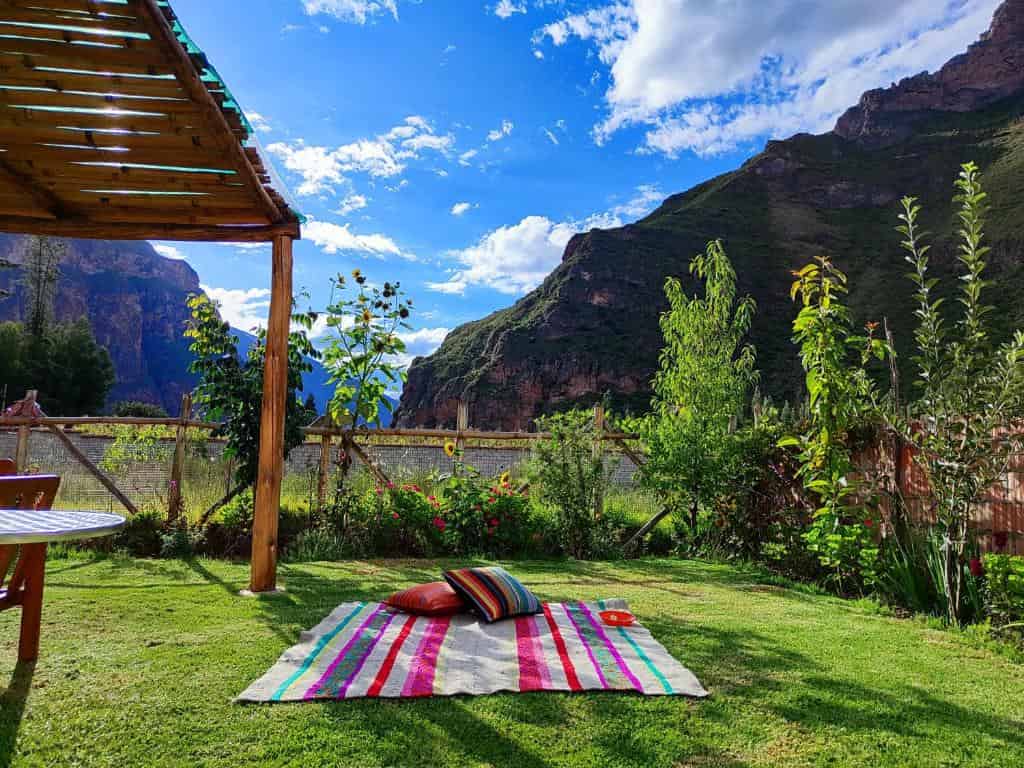
Peru’s Andes offer breathtaking landscapes, ancient Inca trails, and vibrant Quechua communities, but rising visitor numbers strain fragile ecosystems. Eco-friendly travel means minimizing your footprint while maximizing cultural respect and support for locals. This guide provides practical steps for responsible exploration in 2026, from Cusco to the Sacred Valley.
Understanding Peru’s Sustainability Push
Peru leads globally in sustainable tourism, earning accolades like Top 100 Green Destinations for parks such as Huascarán and Tingo María. Government initiatives with MINCETUR and CANATUR promote circular economies, destination diversification, and community-based models to ease Machu Picchu overcrowding. As Adventure Travel Partner at ITB Berlin 2026, Peru emphasizes biodiversity and low-impact adventures.
Travelers play a key role: Choose regenerative experiences that restore rather than extract, supporting rural economies beyond tourist hubs.
Choosing Sustainable Transport Options
Reduce emissions by opting for eco-conscious travel over flights and SUVs.
- Trains over flights: Use PeruRail or IncaRail’s Expedition service ($80-$250 RT) from Cusco to Ollantaytambo instead of domestic flights.[ from prior]
- Electric shuttles and buses: Sacred Valley tours now feature e-vehicles; book via certified operators ($30-$100).
- Walk or bike: Hike the Salkantay Trek alternative to Inca Trail, or e-bike Cusco’s outskirts with local outfits.
- Offset flights: Partner with Inkaterra’s carbon calculator for Andes trips.[ from prior]
Avoid peak-hour traffic in Cusco; collective taxis (colectivos) cut costs and congestion by 50%.
Selecting Green Accommodations
Prioritize certified eco-lodges using solar power, greywater systems, and local hires.
| Hotel/Lodge | Key Features | Rate/Night (2026) |
|---|---|---|
| Inkaterra La Casona (Cusco) | Climate-positive, Amazon offsets | $800+ |
| Tambo del Inka (Urubamba) | Farm-to-table, school funding [ prior] | $350+ |
| Willka T’ika (Sacred Valley) | Organic gardens, shaman retreats [ prior] | $300+ |
| Explora Valle Sagrado | All-inclusive sustainable adventures | $900+ |
Book via Green Key or Biosphere platforms; these properties divert 90% waste from landfills.[ prior][ prior]
Responsible Trekking in the Andes
The Andes host iconic hikes like the Inca Trail (permits $700+ group), but overtourism erodes paths.
- Book permits early: Cap at 500/day; choose community treks like Choquequirao (fewer crowds).[ prior]
- Leave No Trace: Pack out waste, stick to trails to prevent erosion.
- Support porters: Verify fair-wage operators via APORTE fair trade certification.
- Alternatives: Lares Valley homestays immerse with Quechua families, funding education.
Hydrate with reusable bottles; refill at eco-stations in Pisac.
Ethical Wildlife and Nature Encounters
Andean condors, alpacas, and high-altitude lakes demand respect.
- No feeding animals: Observe vicuñas in Pampas Galeras from afar.
- Community reserves: Visit Potato Park near Cusco, conserving 2,000+ native varieties with locals.
- Reforestation tours: Plant native q’ueñual trees with Sacred Valley projects.
- Avoid single-use plastics: Carry bamboo utensils; Peru bans them in protected areas.
Opt for birdwatching with e-guides in Manu National Park outskirts.
Cultural Immersion Done Right
Engage Quechua and Aymara traditions without exploitation.
- Homestays over hotels: Overnight in Chinchero weavers’ homes ($50/night, includes meals).
- Fair-trade crafts: Buy direct from cooperatives like Awana Katu; haggle ethically.
- Shaman ceremonies: Private Pachamama offerings with vetted paq’os, not staged shows.[ prior]
- Learn phrases: “Allillanchu” (hello in Quechua) builds rapport.
Contribute via tips (10-15%) and village funds.
Sustainable Dining in the Andes
Savor Andean superfoods guilt-free.
- Farm-to-table: Mil Centro in Moray uses altitude-sourced ingredients.[web: prior luxury article]
- Vegetarian options: Quinua salads, alpaca tartare from organic farms.
- Zero-waste eateries: Cicciolina in Cusco composts scraps.
- Street food smartly: Choose busy stalls for hygiene; avoid bottled drinks.
Support women-led kitchens in Patacancha.
Packing for Low-Impact Travel
Essentials keep you green:
- Reusable gear: Water purifier (LifeStraw), metal straws, cloth bags.
- Layers: Alpaca wool (ethically sourced) over synthetics.
- Solar charger: Powers devices off-grid.
- Biodegradable sunscreen/toiletries.
Ditch drones near ruins—banned for wildlife disruption.
Budgeting for Eco-Travel
Eco doesn’t mean expensive; shoulder seasons (April/Nov) save 20-30%.
| Category | Budget | Mid-Range |
|---|---|---|
| 7-Day Transport | $200 | $500 |
| Lodging (6 nights) | $300 | $1,200 |
| Meals | $150 | $400 |
| Tours/Entries | $300 | $800 |
| Total | $950-$1,500 | $2,900+ |
Packages via PROMPERÚ-certified operators add value.
Avoiding Common Pitfalls
- Overtourism: Skip Machu Picchu weekends; choose sunrise slots.
- Altitude ignore: Acclimatize in Cusco 2-3 days; coca tea ethically sourced.
- Black-market guides: Use licensed via iPeru offices.
- Water waste: Conserve in dry season (June-Sept).
Monitor MINCETUR updates for 2026 caps.
Community-Led Initiatives to Support
Boost lesser-known spots:
- Colca Canyon: Homestays in Sibayo foster coexistence.
- Ausangate Trek: Rainbow Mountain alternatives with herders.
- Amazon edges: Madre de Dios lodges partner indigenous groups.
These distribute income equitably.
Measuring Your Impact
Track via apps like Green Travel Tracker: Calculate CO2, offset via Gold Standard credits. Post-trip, share #SustainablePeru to inspire.
Peru’s 2026 vision—circular tourism, diversified destinations—thrives on conscious choices. Explore the Andes as a steward: Your trip regenerates the land that welcomes you.